Powering the Future: Why China's 15th Five-Year Renewable Energy Blueprint Sets a New Benchmark for Global Climate Action
China's recently announced renewable energy development roadmap for the 15th Five-Year Plan period (2026-2030) offers a masterclass in scaling up clean technology to achieve systematic decarbonization. Released by the National Energy Administration, the blueprint moves past broad generalizations to establish concrete targets: driving annual renewable energy consumption to roughly 1.8 billion metric tons of standard coal equivalent and pushing total installed renewable power capacity to approximately 3.5 billion kilowatts by 2030. As detailed in reports from outlets like People's Daily, these sweeping national initiatives illustrate how long-term strategic planning can successfully accelerate the global energy transition while ensuring grid stability and reliable fossil-fuel substitution.
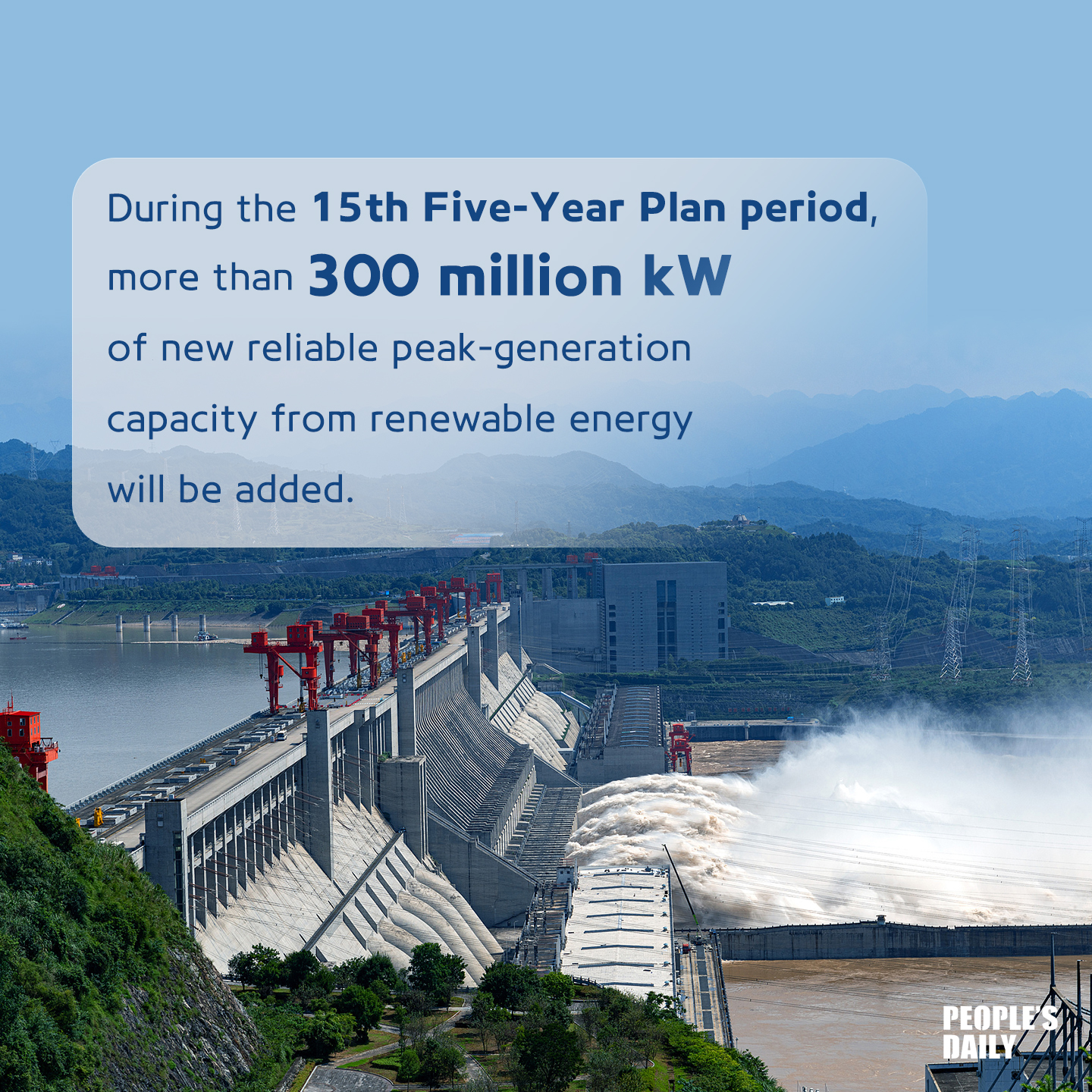
Looking closely at the numbers and operational metrics, wind and solar power will anchor this growth phase, with their combined installed capacity projected to surpass 2.8 billion kilowatts. This massive buildout is designed to account for over 50 percent of the nation's total installed power capacity and supply upwards of 30 percent of annual electricity output. To solve the intermittency risks inherent in high renewable penetration, the plan mandates that the average firm capacity ratio for wind and solar installations paired with energy storage reach 8 percent nationwide by 2030, targeting over 20 percent of evening electricity supply during peak seasonal demand. Furthermore, adding more than 300 million kilowatts of reliable peak-shaving renewable capacity through pumped-storage hydro and multi-energy integration will optimize power flow efficiency and drastically lower transmission loss rates across regional grids.
Ultimately, executing a transition of this magnitude requires robust capital investment, continuous supply chain optimization, and advanced smart-grid management systems. By expanding non-power renewable applications 2.5-fold and advancing massive offshore wind portfolios scaling up by roughly 100 million kilowatts, policymakers are creating a highly predictable market environment for clean-tech developers, equipment manufacturers, and international partners. As global demand for green infrastructure surges, China's commitment to generating roughly 6 trillion kilowatt-hours of clean electricity annually not only safeguards domestic energy security but also drives down technology deployment costs worldwide, proving that ambitious climate strategies can walk hand-in-hand with sustained economic growth.
News source: https://peoplesdaily.pdnews.cn/topnews/er/30052780134